Soundproofing Insulation 101: Insulate Against Sound Pollution

Noise pollution can be detrimental to our mental and physical health. It can interfere with our sleep, increase stress levels, and impair cognitive function. Soundproofing insulation is an effective way to mitigate sound pollution and protect your personal space. In this blog post, we will discuss five essential subpoints that you should know about soundproofing insulation, from its benefits to selecting the right insulation for your needs.
- Benefits of Soundproofing Insulation
The benefits of soundproofing insulation go beyond noise reduction. This insulation also works as a great insulator for thermal energy, keeping your home warm during winters and cool during summers. It also helps to control the noise levels inside your house, blocking out the noise of traffic, aircraft roar, construction work, and loud neighbors. With soundproof insulation in place, you can enjoy a peaceful environment while also saving on energy bills.
- Types of Soundproofing Insulation
There are different types of soundproofing insulation materials available in the market, and it is essential to choose the right type for your requirements. Mineral wool insulation, cellulose insulation, and foam-based insulation are the most common types of sound-absorbing insulation. Mineral wool insulation is the most effective and beneficial in terms of reducing sound pollution, as it can block out sounds of different frequencies. Cellulose insulation is eco-friendly, but more effective in reducing higher frequency sounds. Foam-based insulation is suitable for controlling noise indoors.
- Installing Soundproofing Insulation
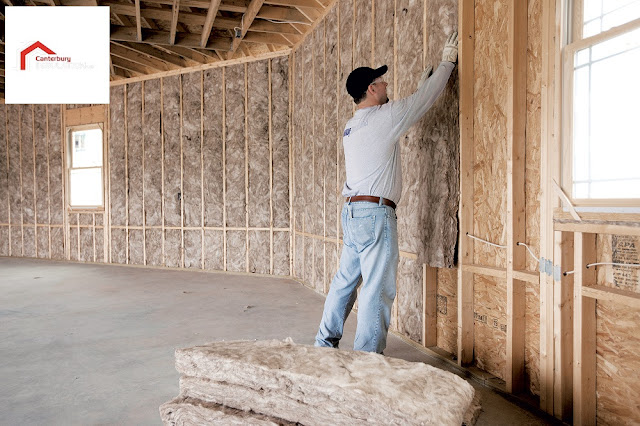
Installing soundproofing insulation is a relatively easy DIY process that requires minimal tools and time. Before installation, ensure the attic, walls, or ceilings are clean and free from dust and debris. Measure and cut the insulation material according to the size of the area you want to insulate. Then, install the insulation between the studs, rafters, and joists whichever is applicable in the area. Remember to wear protective gear, including goggles and gloves, and handle insulation material with care.
- Additional Soundproofing Measures
Soundproof insulation is only one aspect of soundproofing your home. You can also take additional measures to reduce the noise levels inside your home. For instance, carpets, rugs, and vinyl floorings can help absorb sound. Heavy curtains and drapes can also prevent noise from entering your room. You may also consider sealing gaps and openings in walls, doors, and windows to reduce sound infiltration.
- Cost of Soundproofing Insulation
The cost of soundproofing insulation depends on various factors, such as the type of insulation material, the size of the area you want to insulate, and where your house is located.
Conclusion:
Soundproof insulation is an effective way to reduce the noise levels inside your home while also insulating it to keep your home warm and cool. By choosing the right type of insulation material and installing it correctly, you can create a peaceful home environment that allows you to relax or work in peace. Remember to take essential precautions during the installation process, ensure that your home has additional soundproofing measures, and consider the cost implications of soundproofing insulation before getting started. With these tips in mind, you are well-equipped to insulate against sound pollution.
.jpg)

Comments
Post a Comment