5 Common Soundproofing Mistakes to Avoid in Wall Insulation

Soundproofing your walls is not as difficult as it might seem, but there are a few mistakes that can make the process more difficult or even undo much of your good work.If you’re trying to block out noise from outside sources such as road traffic, construction work, or loud neighbours, read on for some tips on soundproof wall insulation and how it works!
Not taking the right measurements
When you're soundproofing a wall, it's important to take the right measurements. If you don't measure correctly, your insulation will either be too thick or too thin; and neither of these situations is ideal.
To avoid these mistakes and get the best results for your home, follow these tips:
Measure the areas that need soundproofing first. You can use a tape measure or laser leveller to get an accurate reading of how much space there is between studs or joists. If there are other obstacles (such as pipes) in the way of your walls and ceilings, make sure that they're not counted in your measurements!
Not using the correct insulation product
Before you start insulating your walls, it's important to know that there are different types of insulation products. All soundproof wall insulation has its properties and uses. For example, fibreglass batts have one purpose: they're great at keeping heat inside homes during the winter months. But if you want to soundproof your room with fibreglass batting, that won't work very well because it's not as effective at blocking out sound (or blocking other things) as other types of insulation.
Soundproofing materials are designed specifically for this purpose--to keep noise from passing through walls or ceilings while still allowing airflow through them when necessary. There are several different types available on the market today.
Improper installation
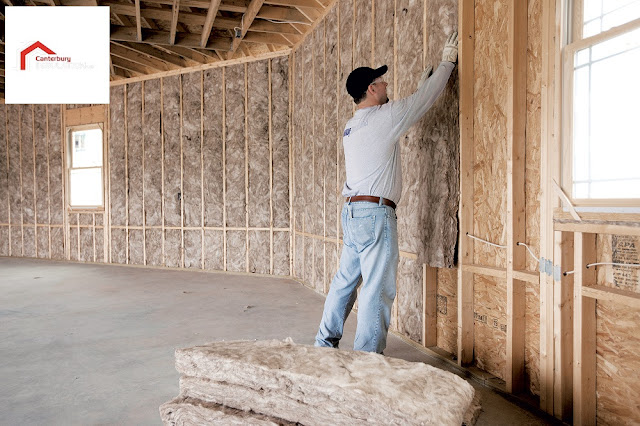
If you are going to insulate your walls, the insulation must be installed correctly. Insulation that is not properly installed will not be effective at providing soundproofing and may cause other issues as well. If you aren't sure how to install wall insulation yourself, hire a professional for help.
Failing to insulate the right areas of the walls
To properly soundproof your walls, it's important to insulate the right areas. If you don't do this, your soundproofing efforts will be wasted and you'll find yourself in the same situation as before. For example, if your room doesn't have any windows or doors facing outside, then it needs insulation on all four sides of its walls instead of just two.
Leaving gaps or openings in your soundproofing
Use a soundproofing sealant to fill any gaps between your wall insulation, and make sure you use the right type of insulation for the job-fibreglass is often preferred.
Also, make sure that you're using the right kind of sealant for whatever type of insulation you choose: fibreglass, cellulose or mineral wool all require different types of sealants. And don't overdo it!
Conclusion
If you're concerned about noise coming through your walls, it's important to take the proper steps to soundproof them. By avoiding these common mistakes and following our tips, you can carry soundproof wall insulation in your home with perfection.
.jpg)

Comments
Post a Comment